2026
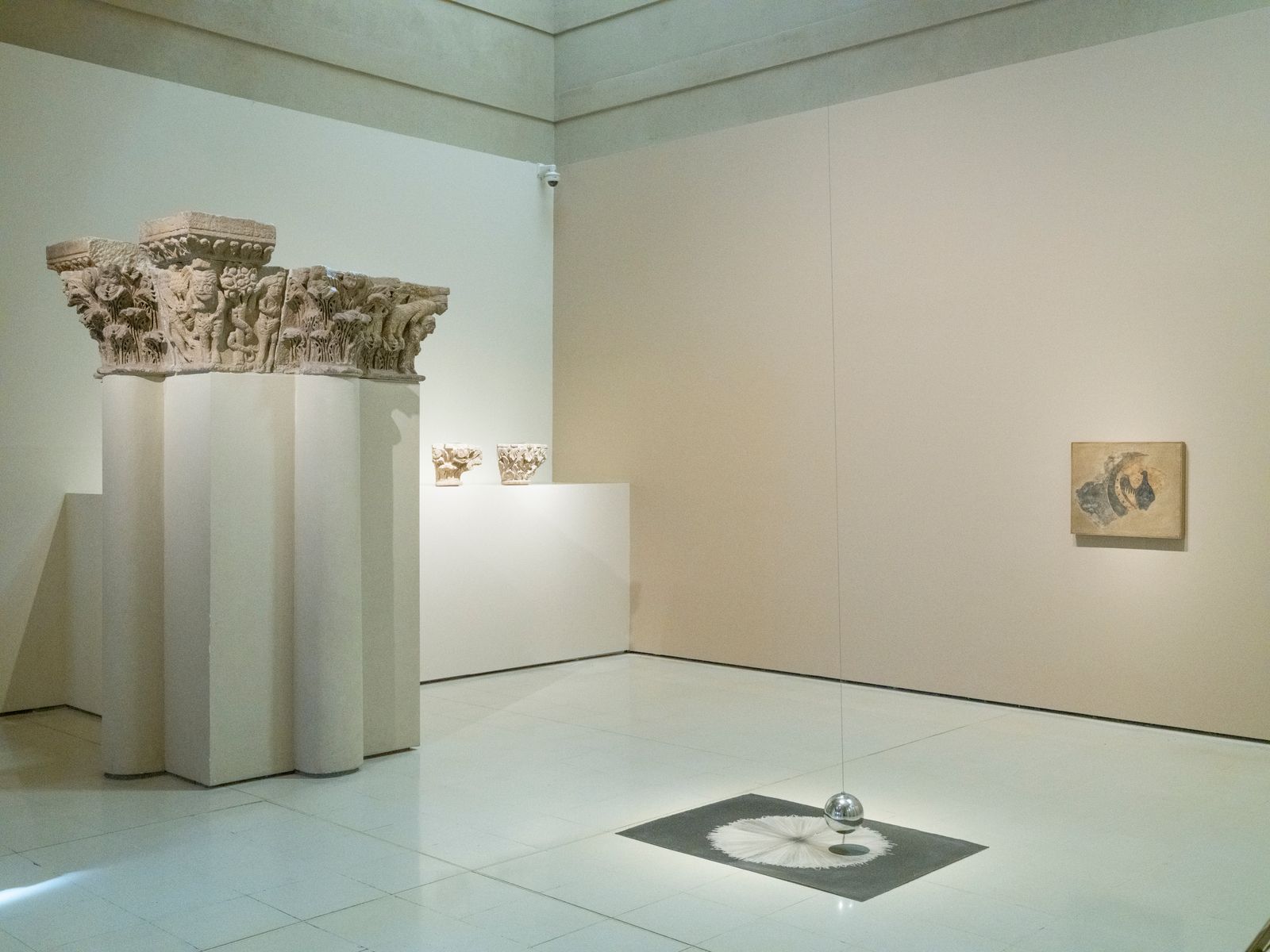
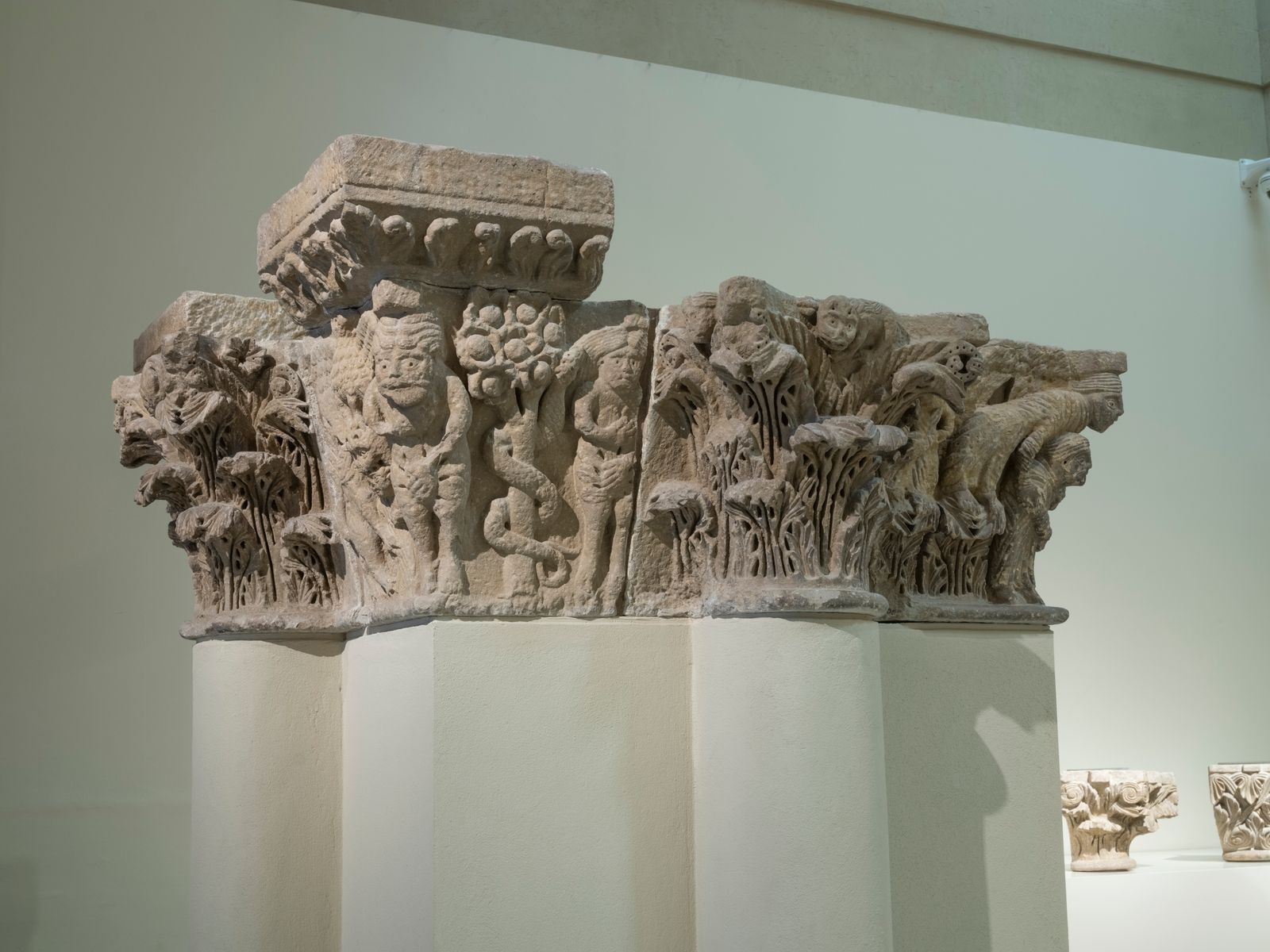
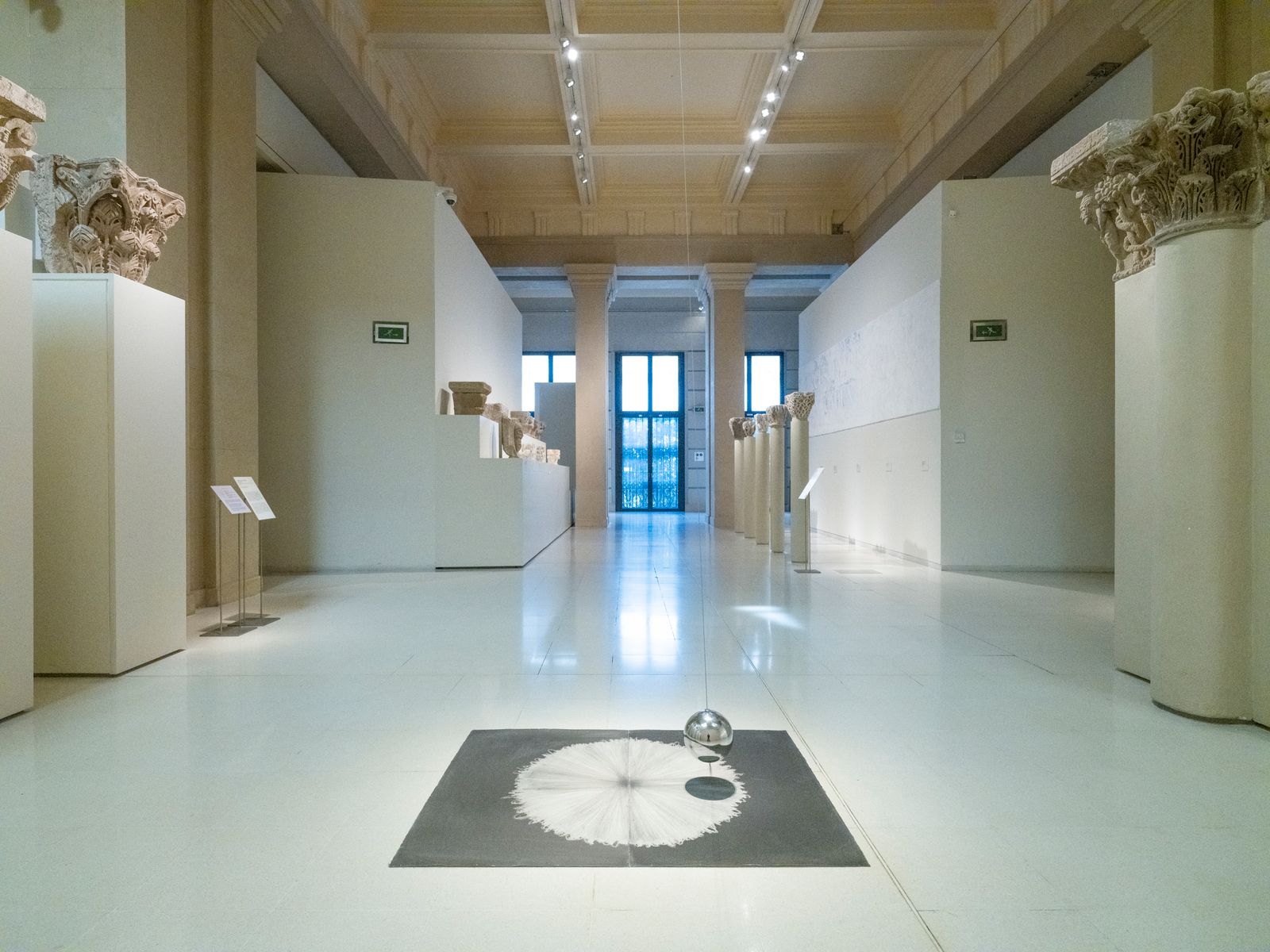
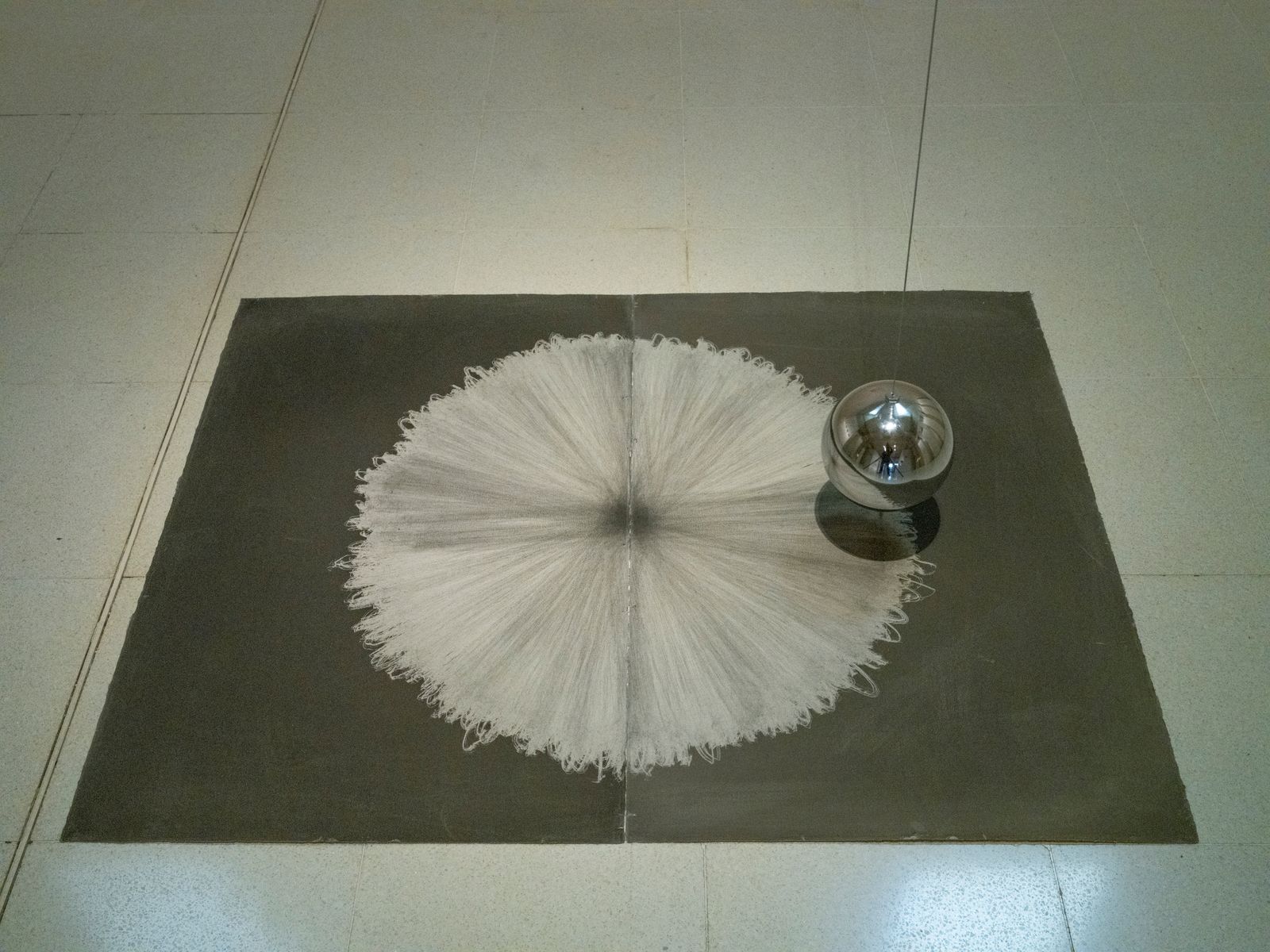
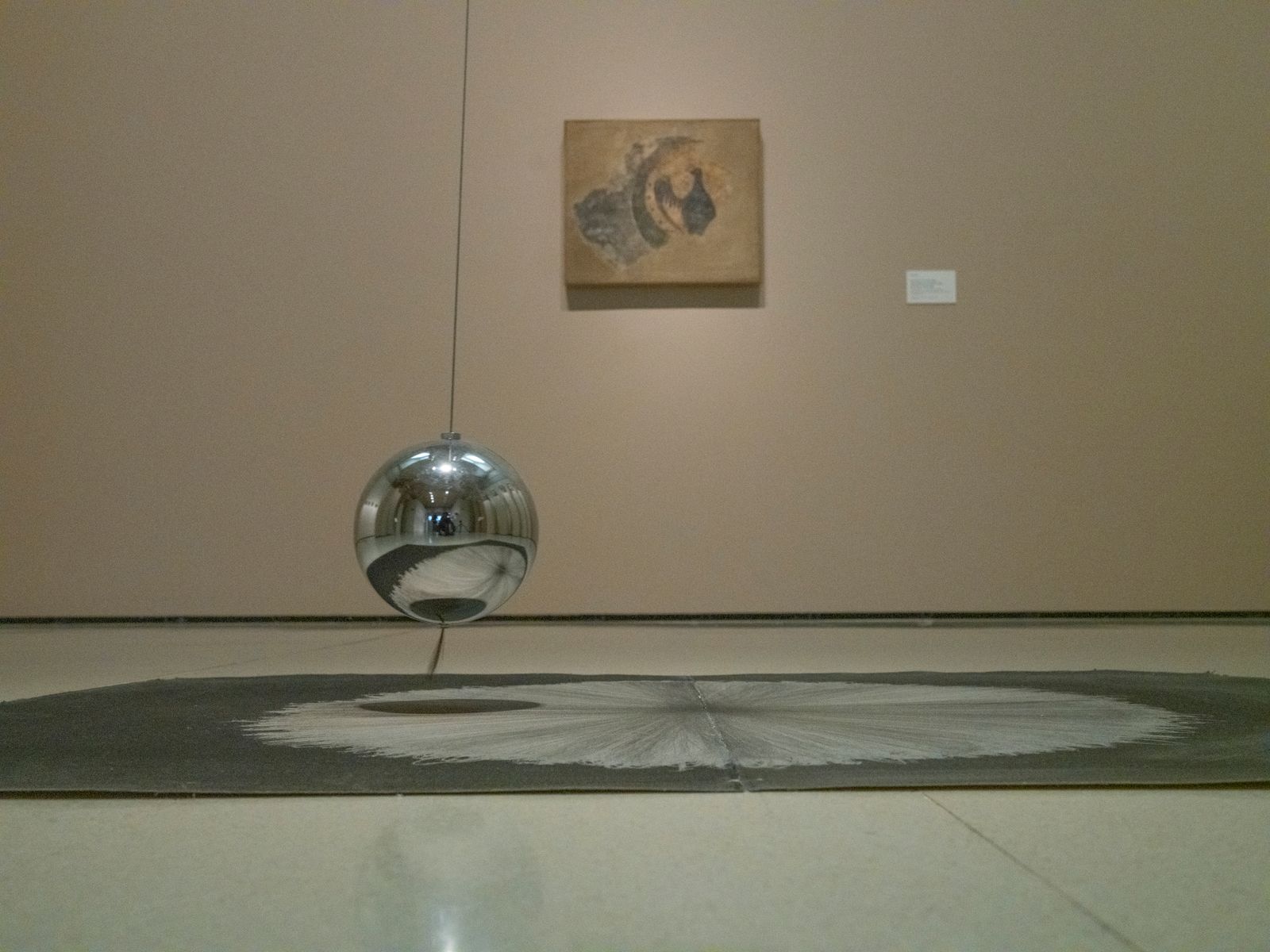
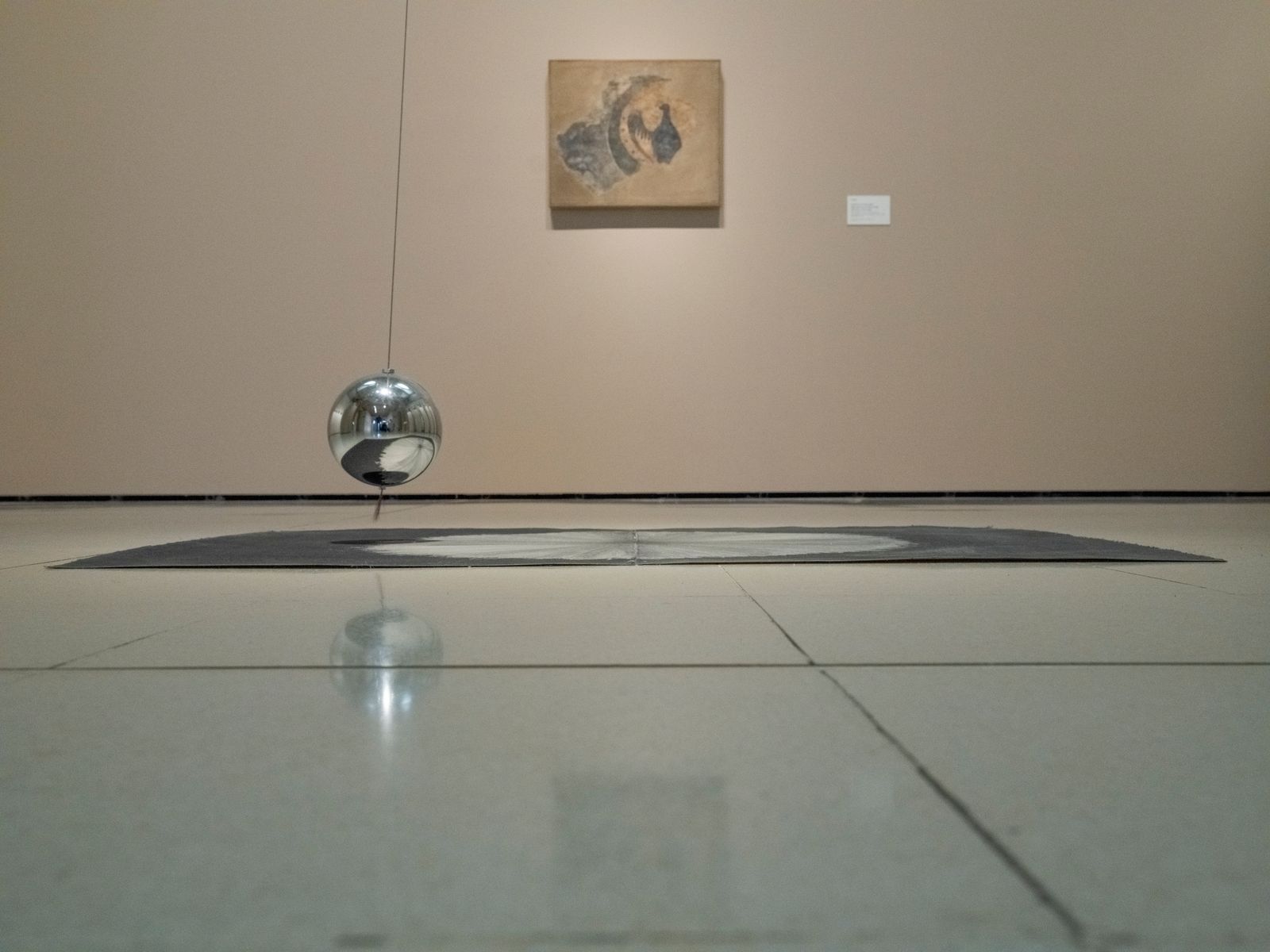
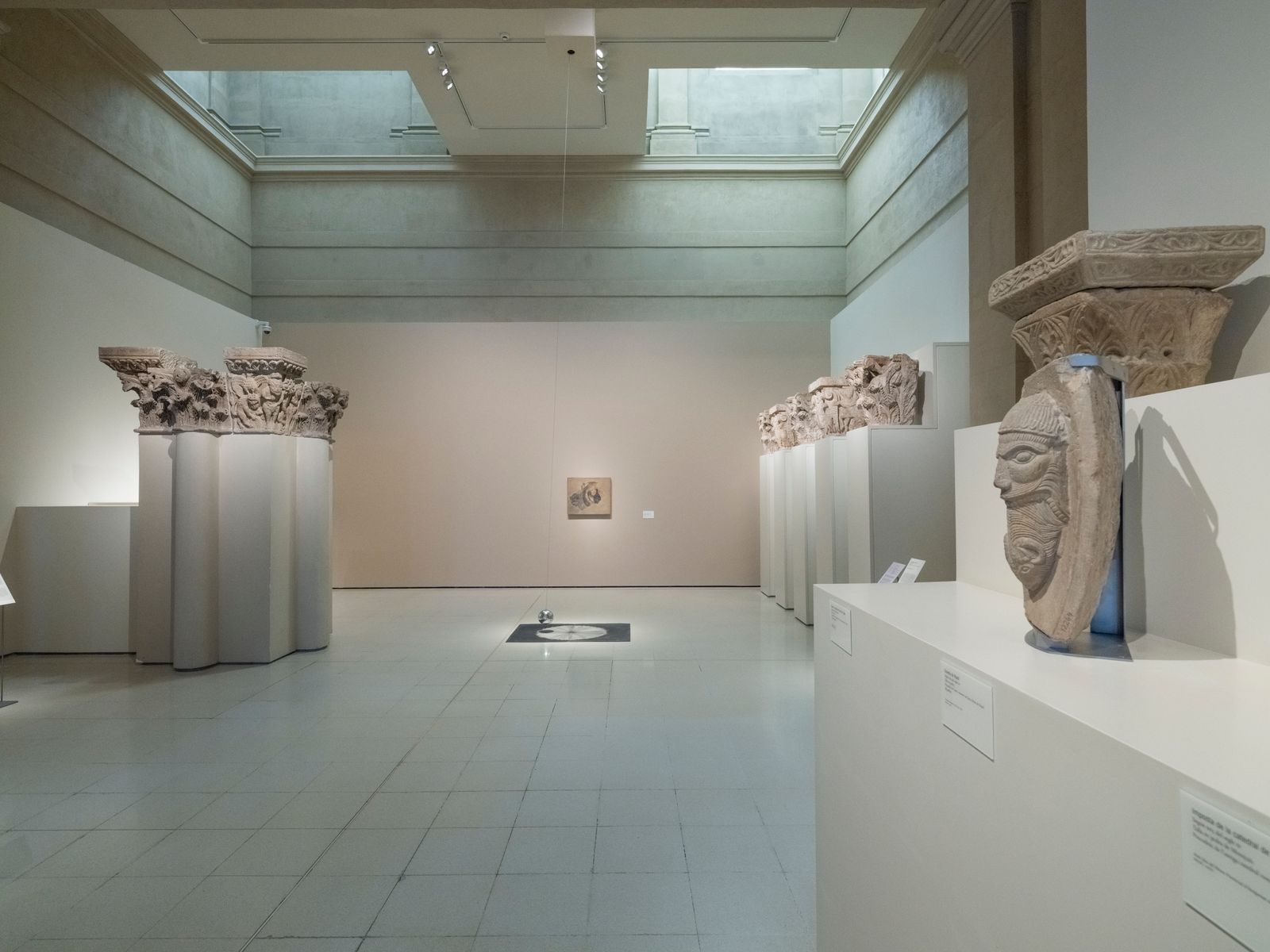
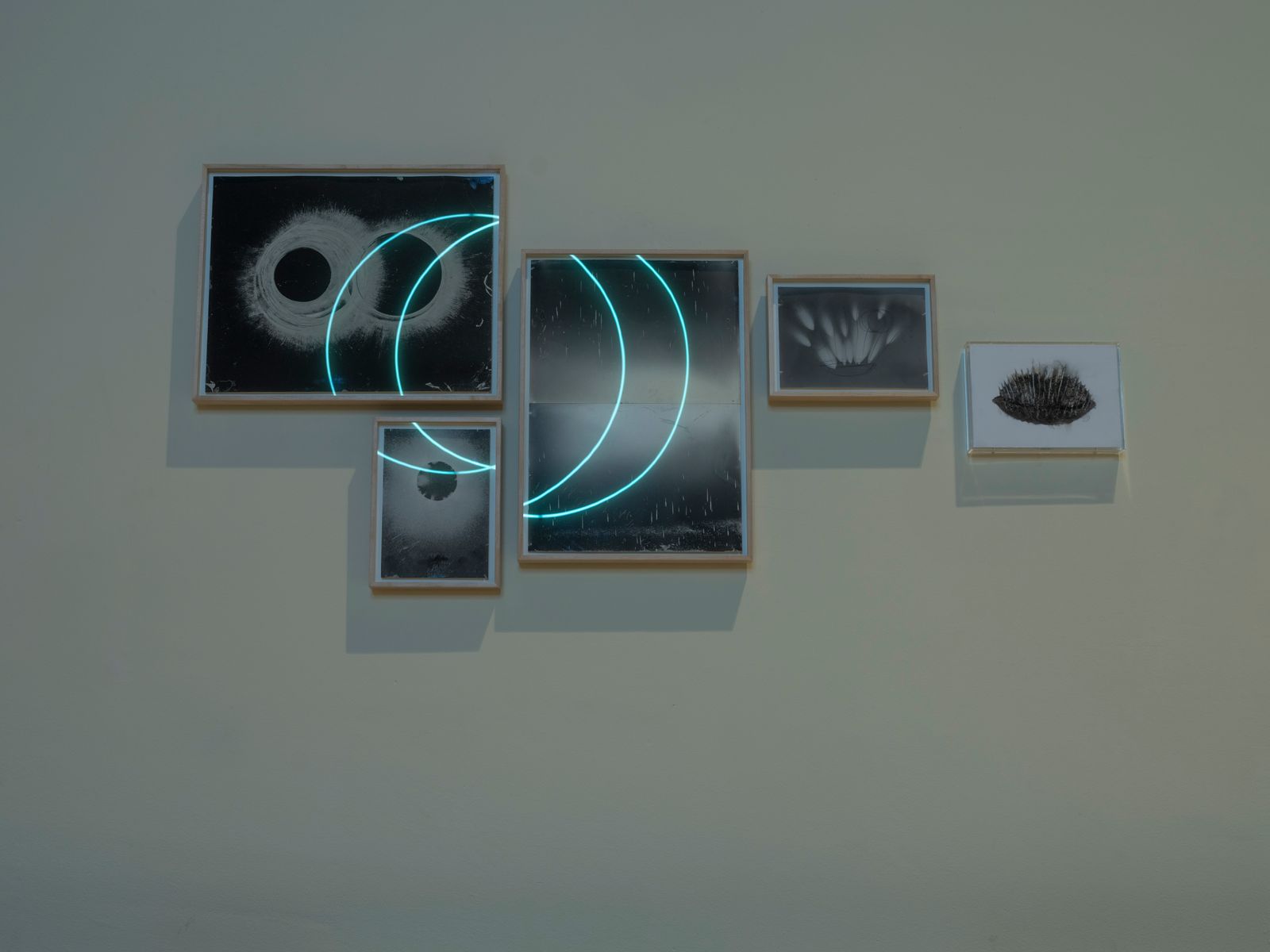
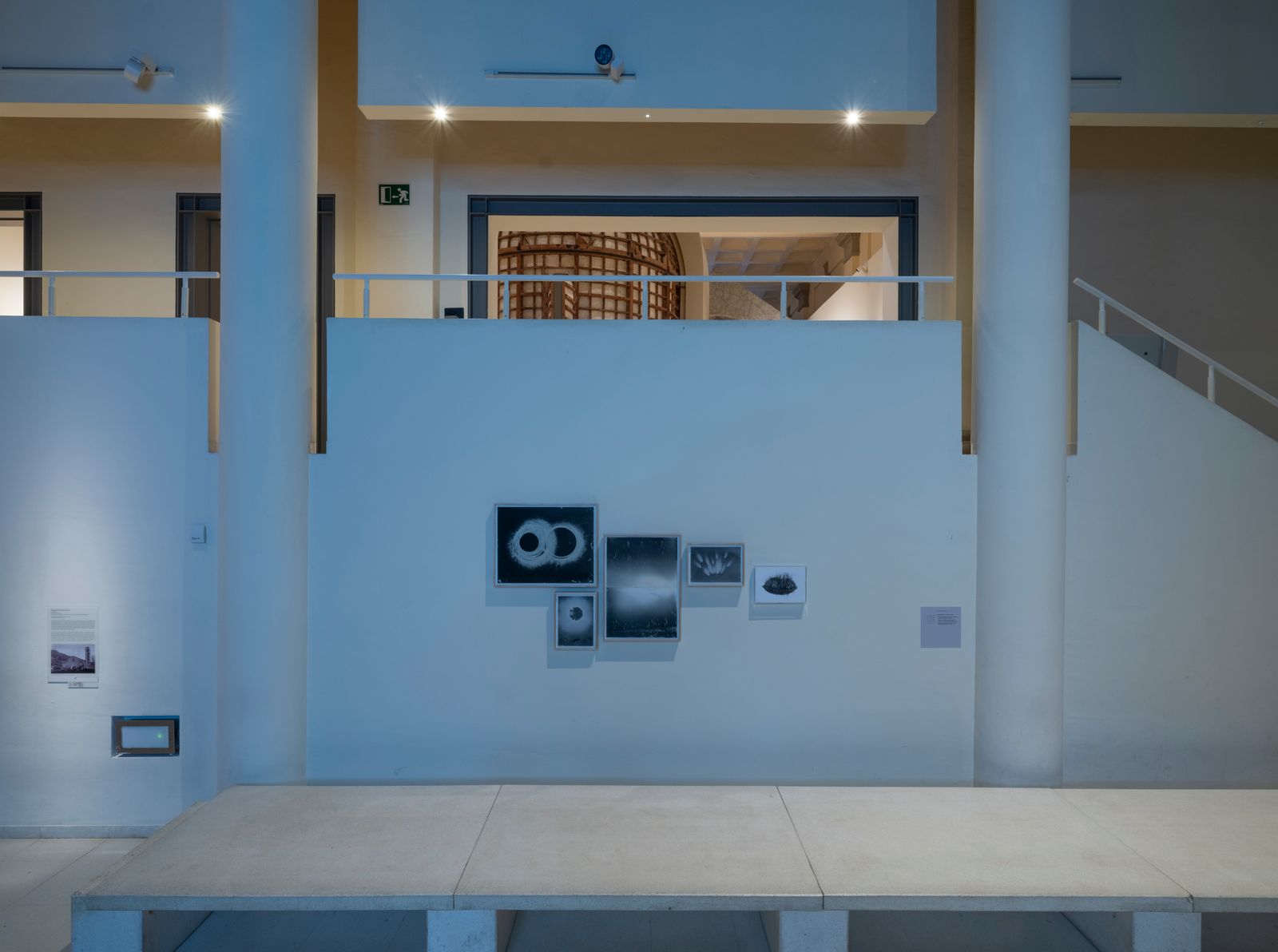
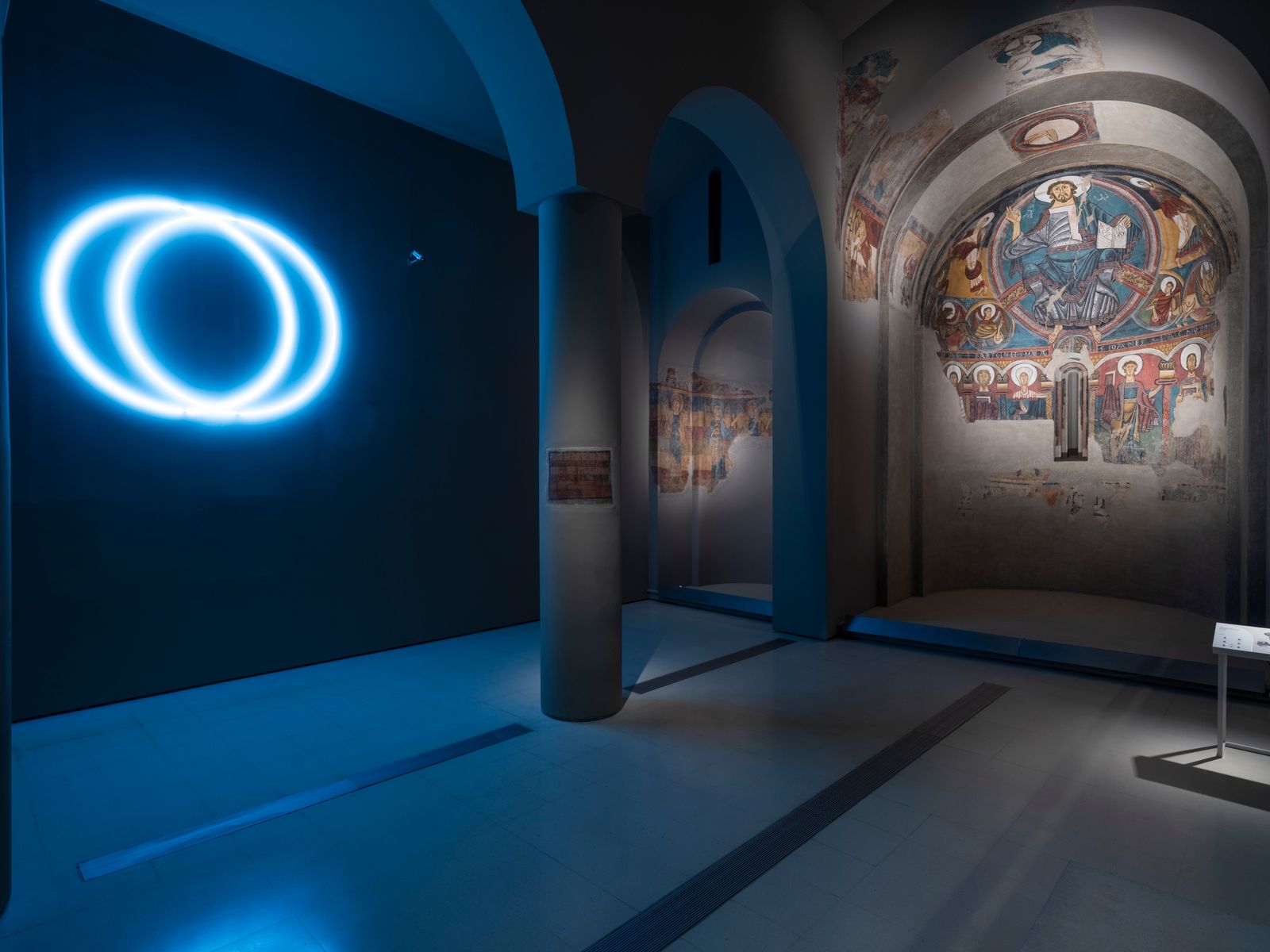
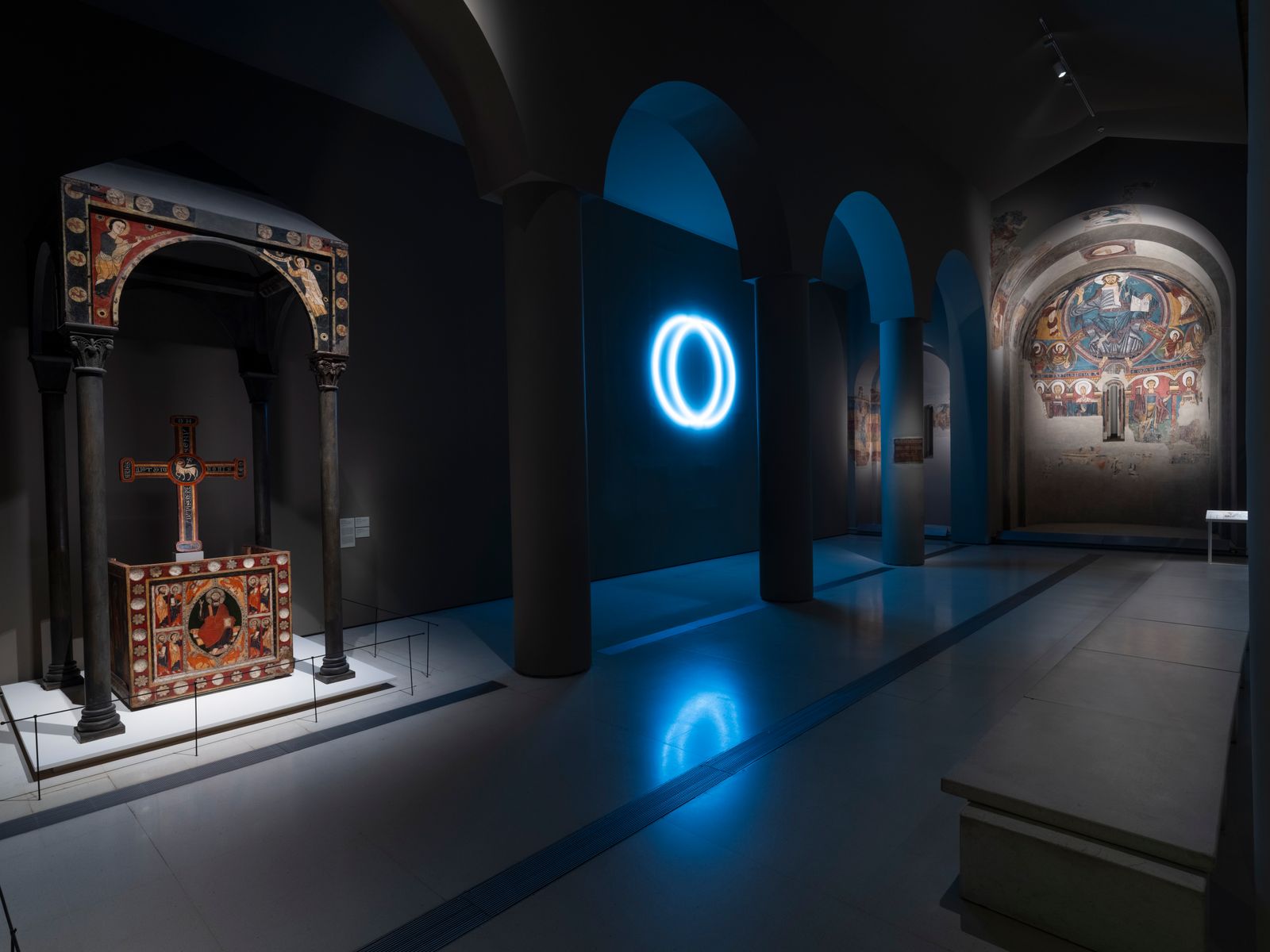
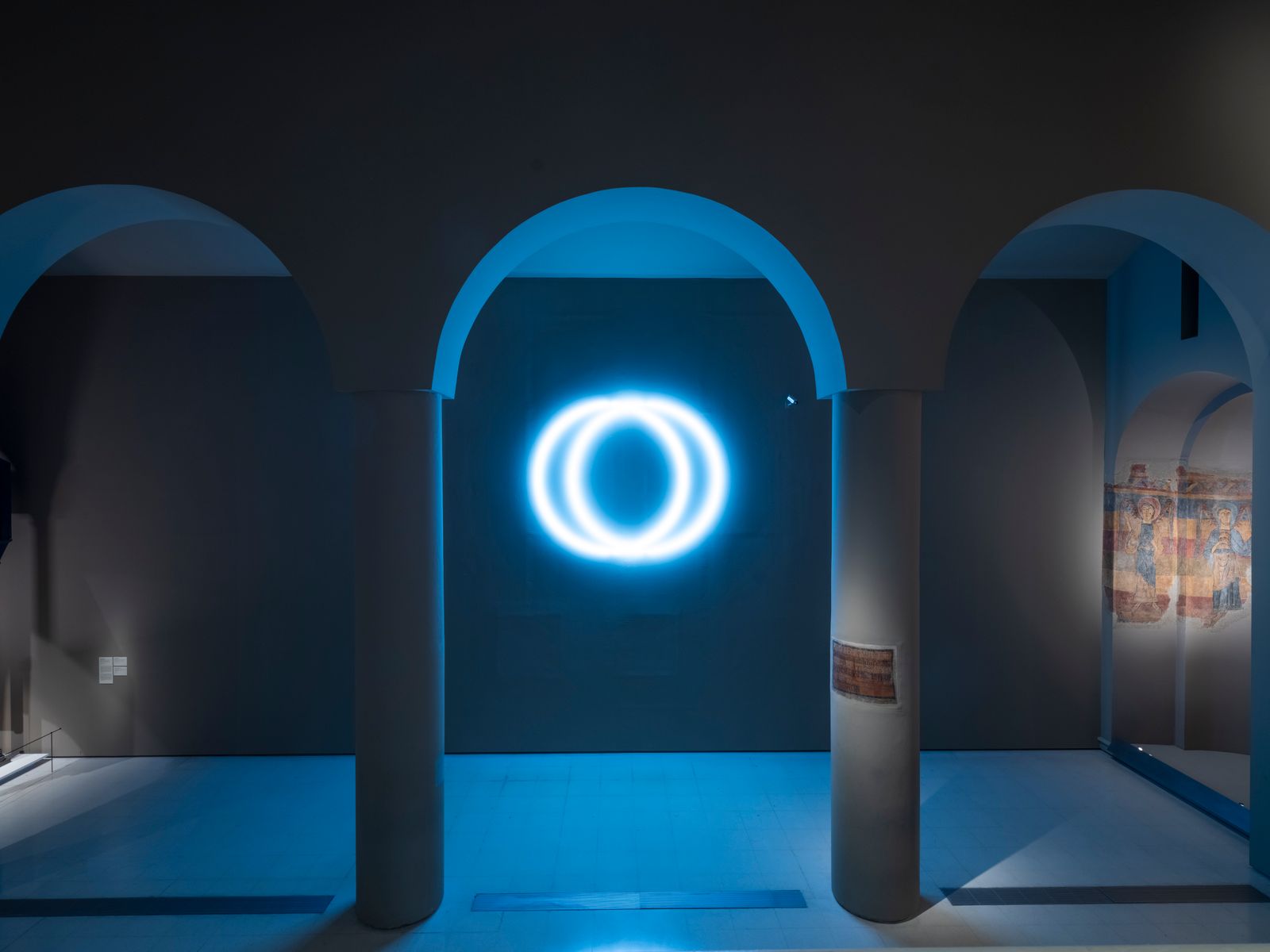
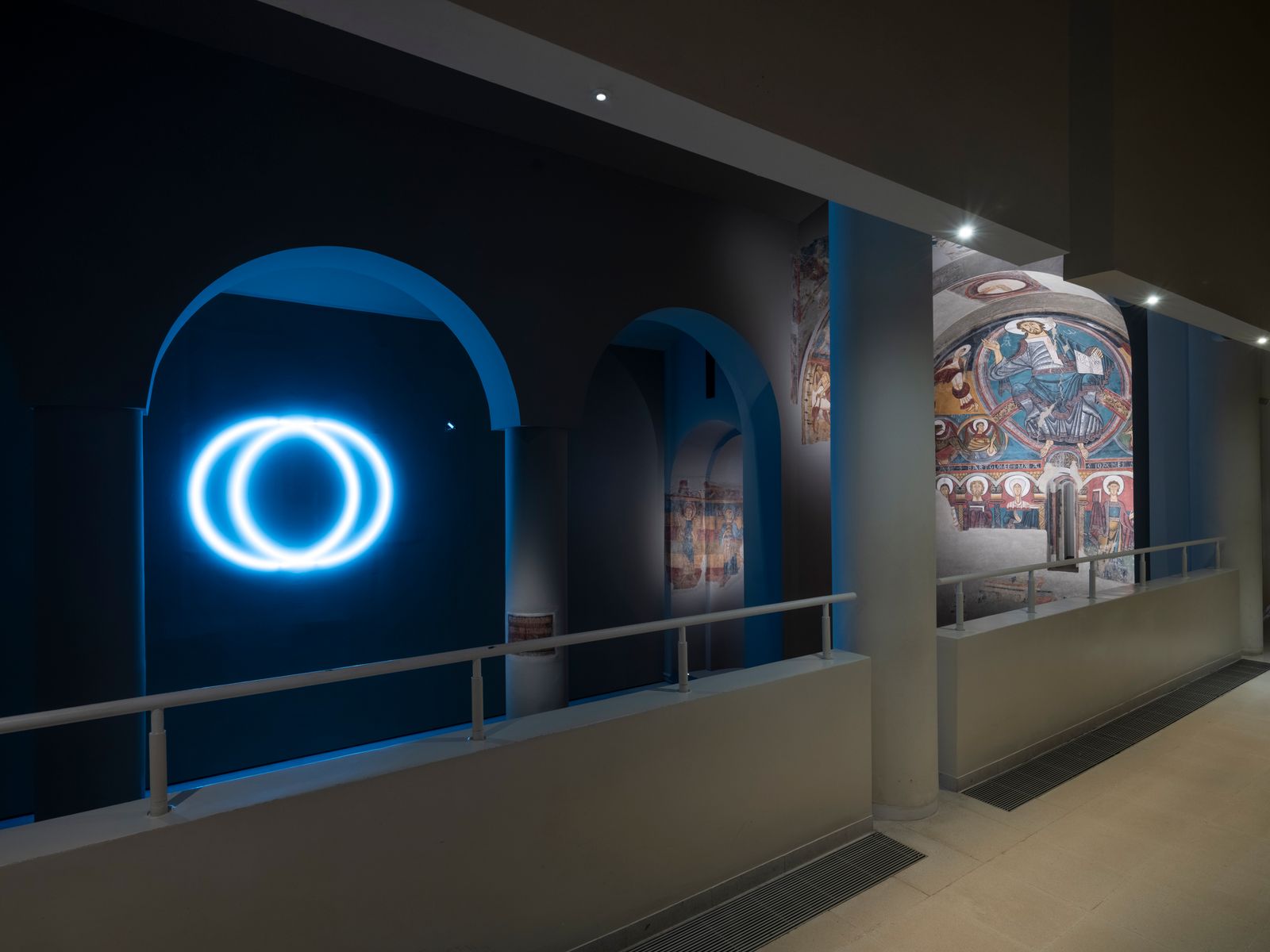
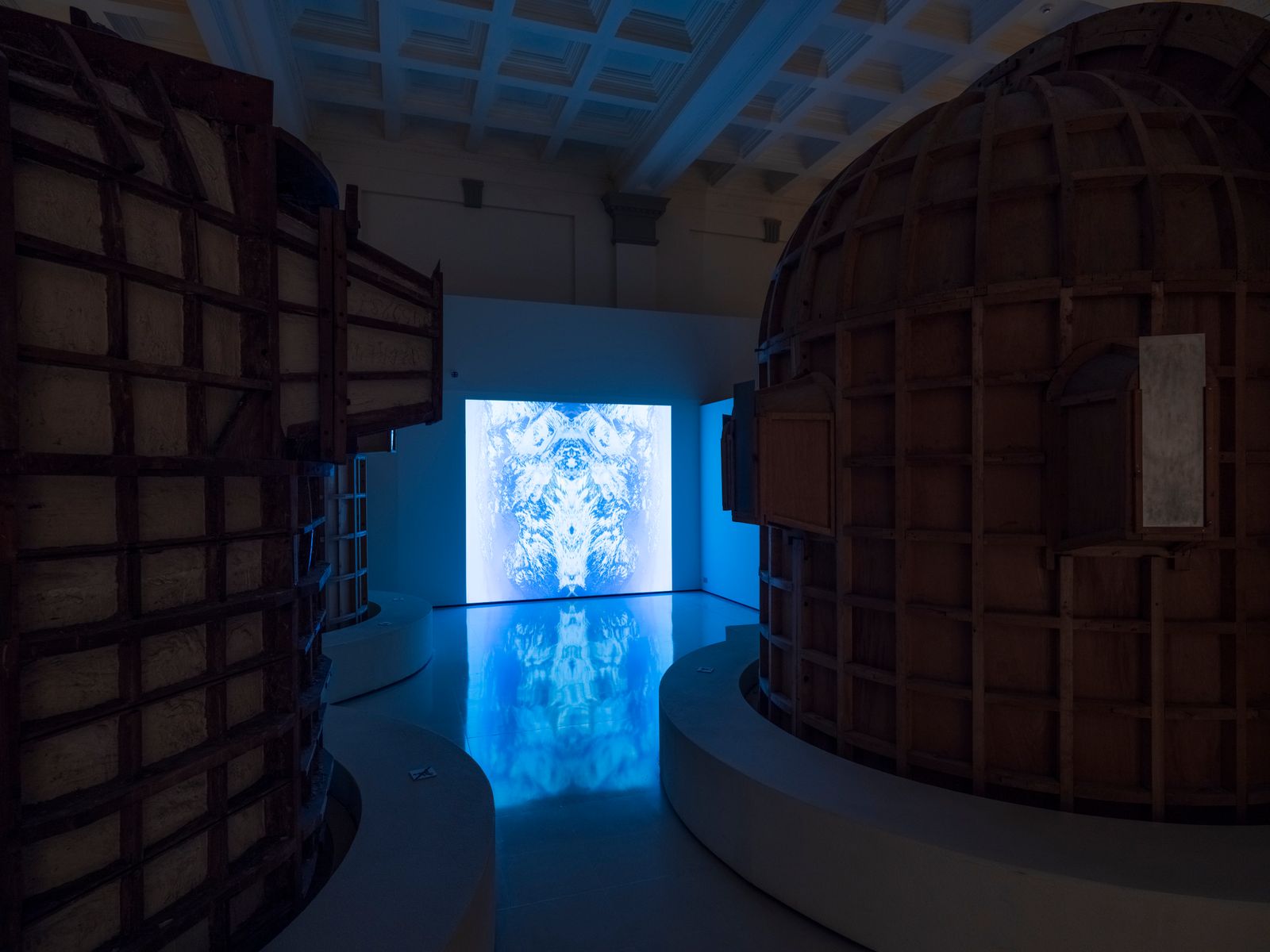
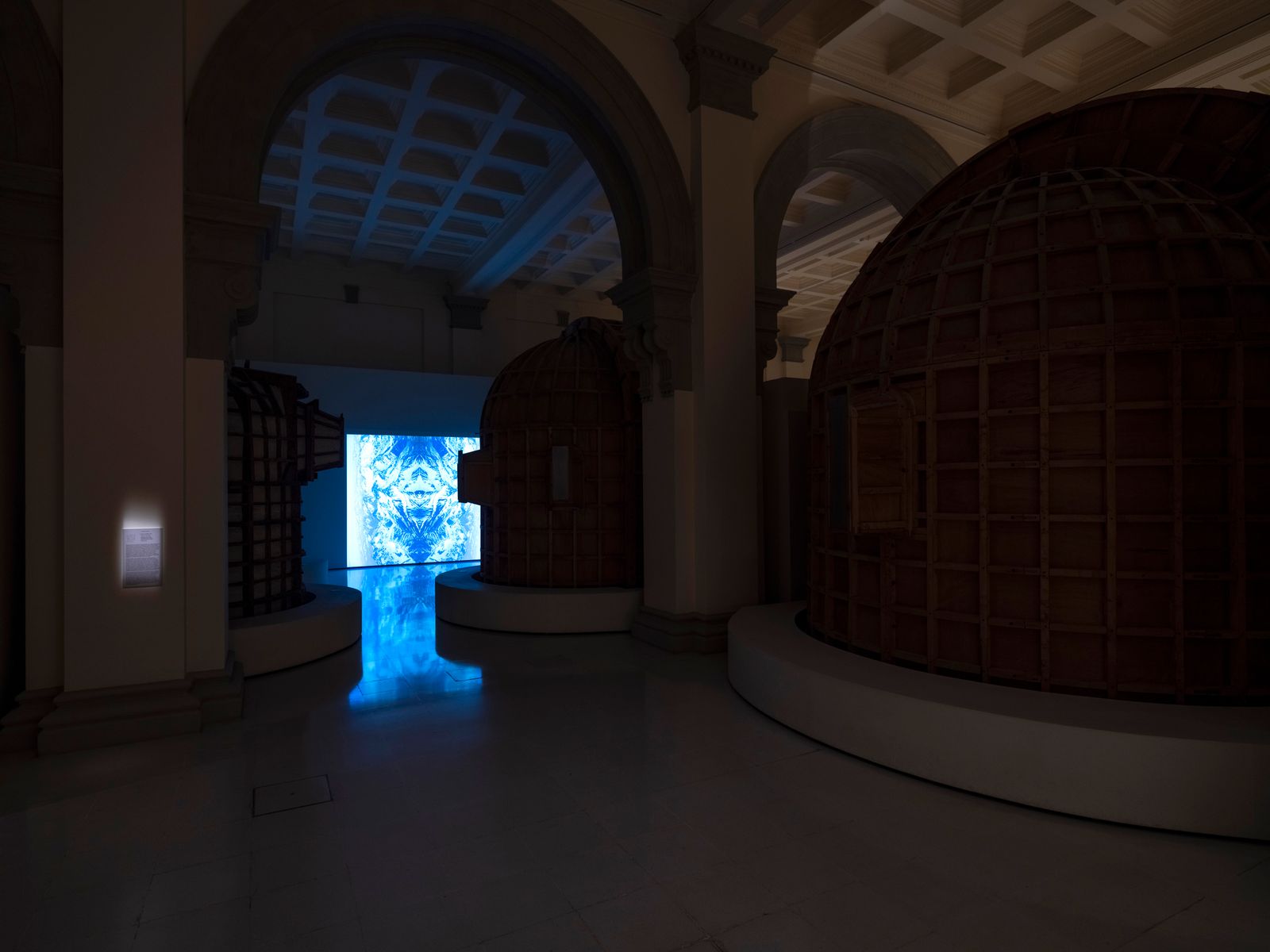
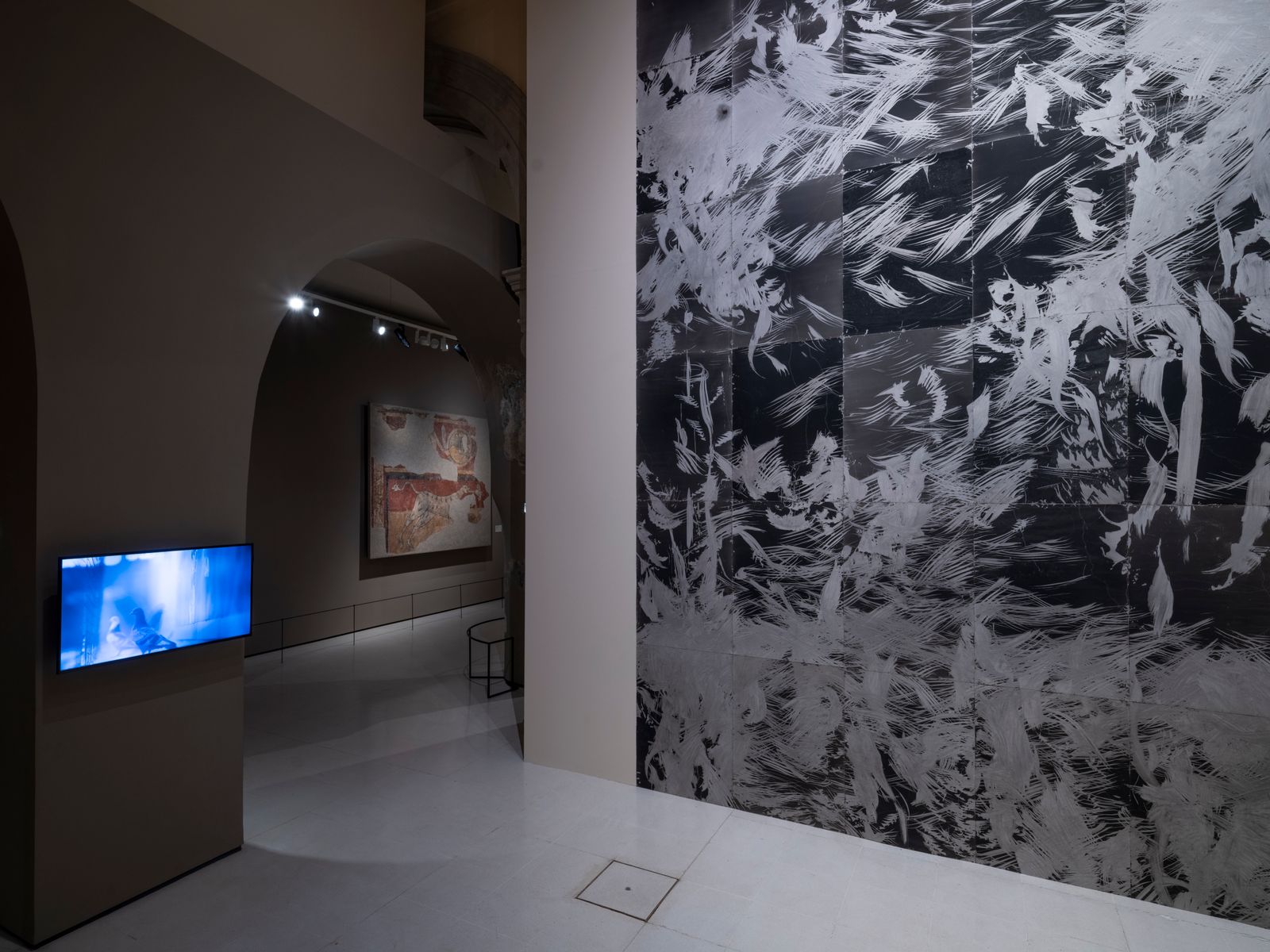
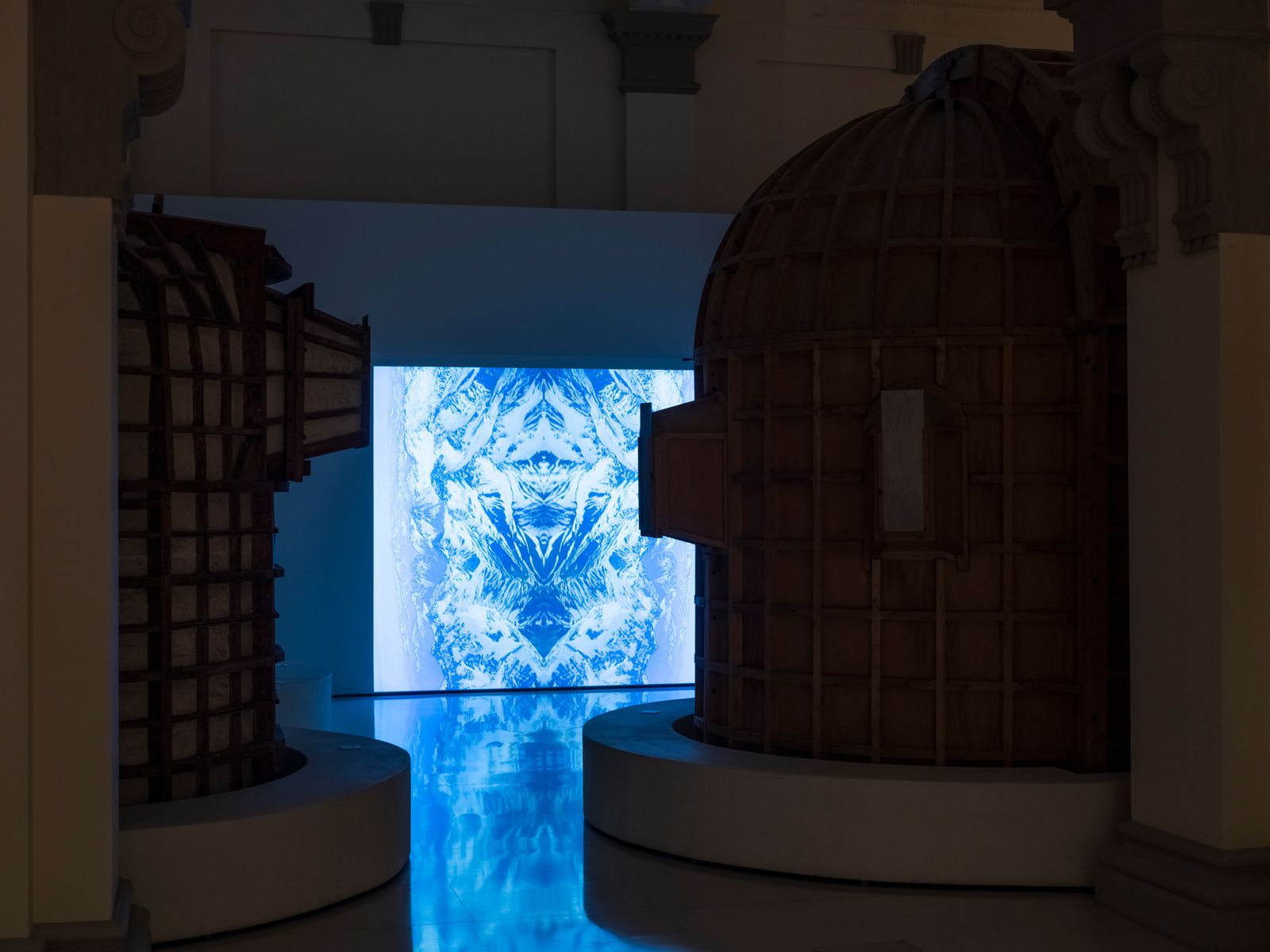
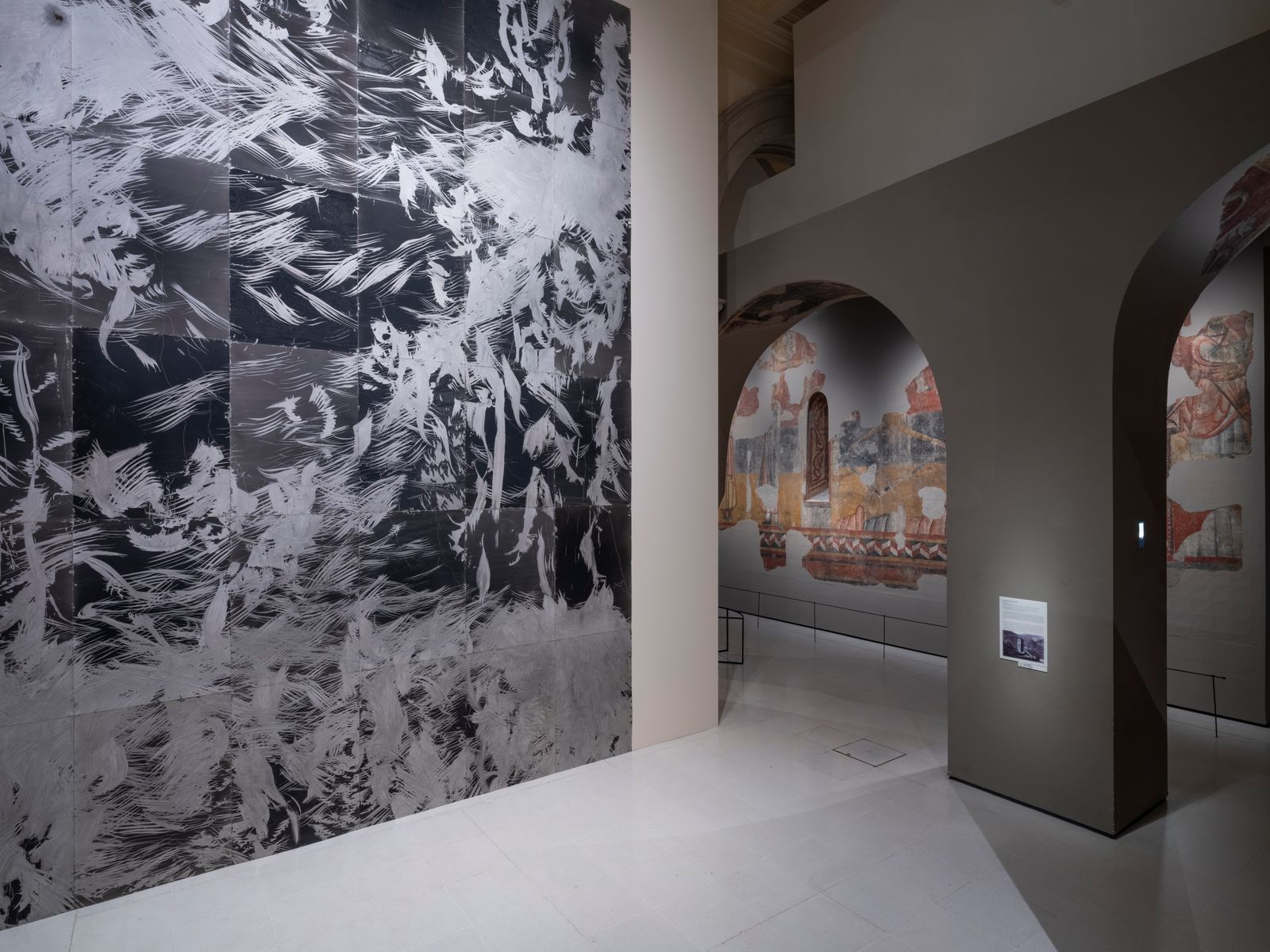
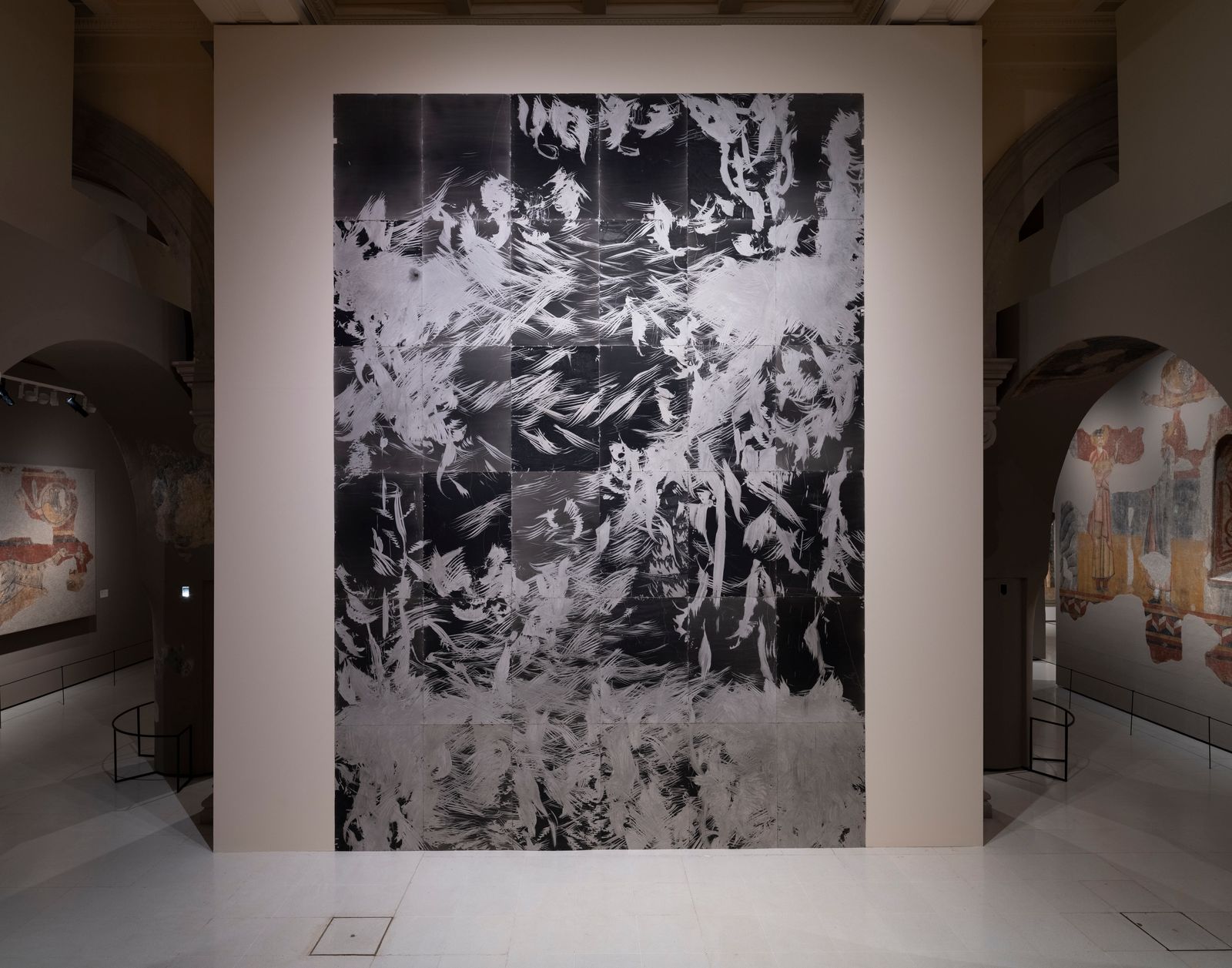
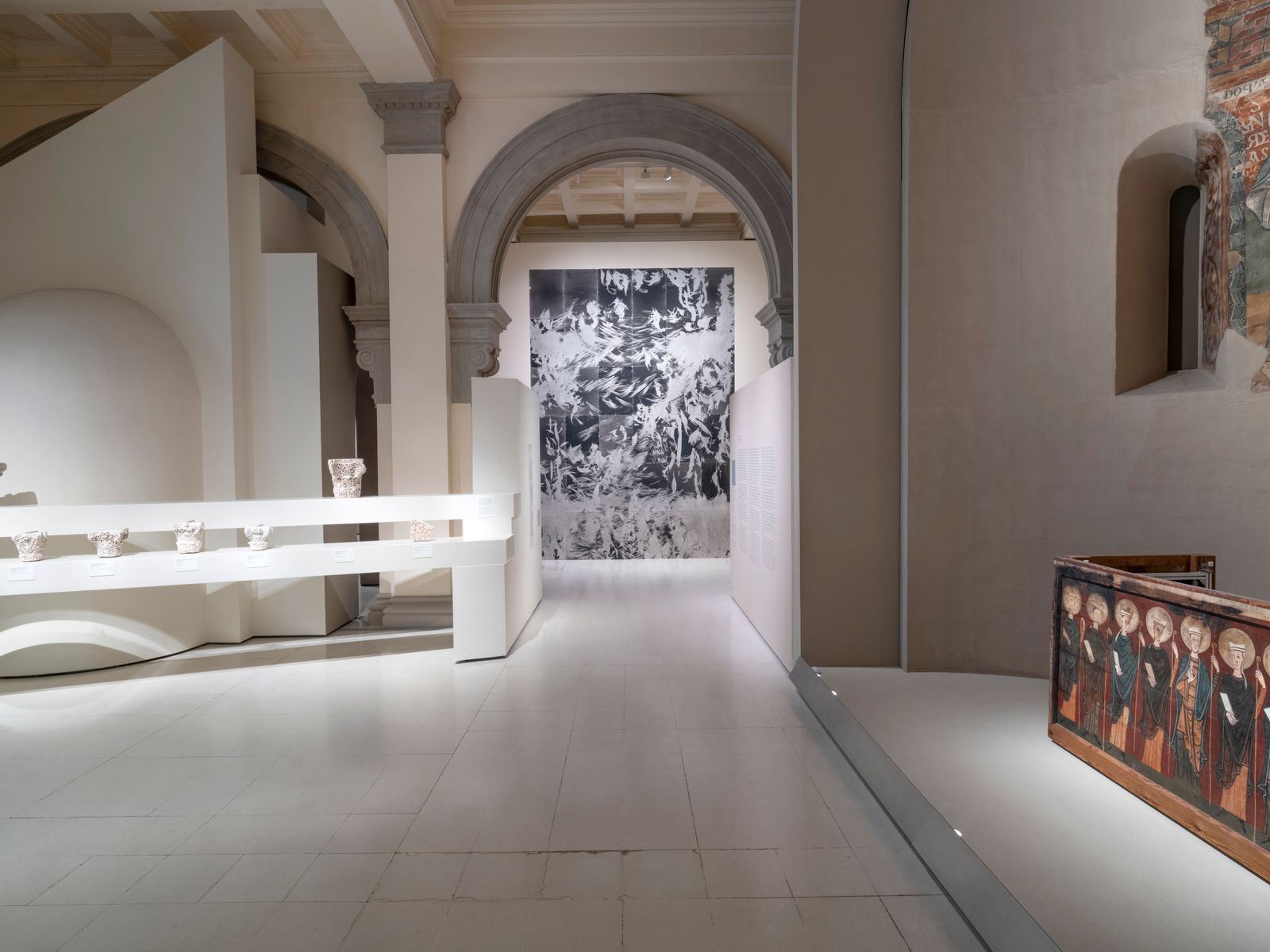
<p>Fernando Prats presents an intervention in the Romanesque art rooms of the MNAC, composed of a series of works that draw subtle parallels between periods that may seem distant. With the complicity of gravity or the fluttering of birds’ wings, he traces the marks of universal movement. The artist embraces this complexity and, in response, weaves a network of landscapes that evokes the experience of the passing of time and natural rhythms, while unveiling the hidden geometries within Romanesque art. The contemplation of these traces reveals a timeless connection in their themes despite the conceptual differences between eras.</p><p>In the Middle Ages, art was understood as a mechanical production subjected to rules and grounded in tradition. Beauty was to be observed in God and in the nature that emanated from His creation. Every detail, every mark, transformed into motif and meticulous inquiry, intensified the chain of metaphors driven forward by technique.</p><p>The destruction of the notion of absolute truth and the disappearance of objective certainties entail the replacement of what is definite with what is probable. Today, instability, uncertainty and complexity undermine the foundations of all disciplines. Human beings no longer shape the world from the detached position of observer; rather, they affect it by trying to understand it.</p><p>The route initiates a dialogue that unfolds into a line interwoven with alternative passages, articulating the different parts of the exhibition as a whole. Throughout this itinerary, the concept of representation is explored through projects in which nature emerges as the artistic subject: pictorial works that develop the notion of landscape, and creations about time and its duration that reclaim painting as a stratified, profound and skilful sedimentation of the contradictions inherent to human experience.</p><p>Gloria Moure</p>